
The Complete Guide to Cat Nutrition | Best Dry Cat Food In Lahore
Every morning at 6 AM sharp, my Persian cat Luna sits by her feeding bowl with the precision of a Swiss timepiece. But it wasn’t always this way. Two years ago, Luna was lethargic, her coat had lost its shine, and she barely touched her food.
The transformation came when I discovered the importance of proper feline nutrition, dry cat food in lahore and found the right balance of nutrients for her specific needs.
As a cat parent in Lahore, navigating the world of feline nutrition can feel overwhelming. With countless brands lining pet store shelves and varying advice from well-meaning friends, how do you ensure your feline companion receives optimal nutrition throughout their life stages?
This comprehensive guide will walk you through everything you need to know about cat nutrition, from selecting the best dry cat food in Lahore to understanding your cat’s changing dietary needs as they age.
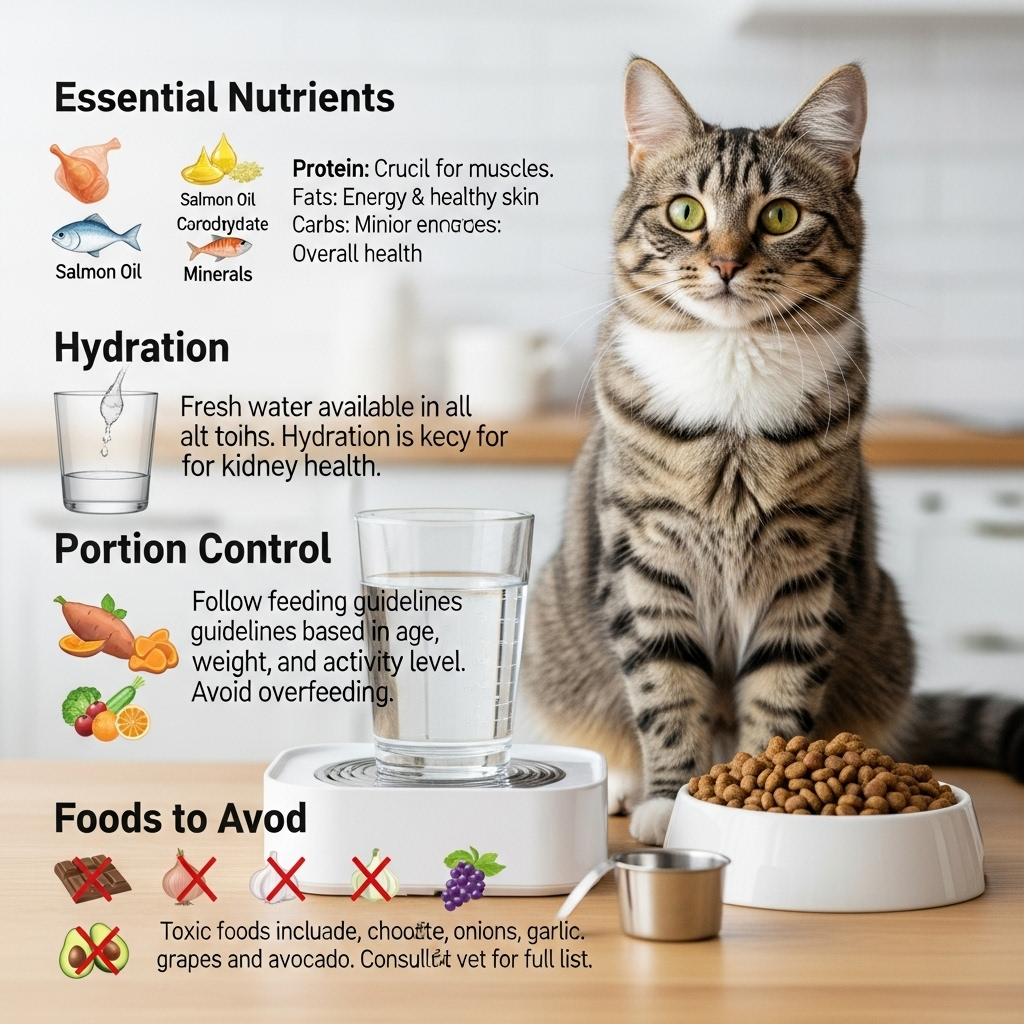
Understanding Your Cat’s Unique Nutritional Requirements
Cats are obligate carnivores, meaning their bodies have evolved to derive essential nutrients exclusively from animal tissue. besides dogs or humans, cats cannot synthesize certain vital nutrients on their own, making their dietary requirements particularly specific and non-negotiable.
According to the American Association of Feline Practitioners, cats require at least 26 essential nutrients, including 11 essential amino acids, with taurine being perhaps the most critical. A deficiency in taurine can lead to dilated cardiomyopathy, retinal degeneration, and reproductive issues. Therefore, finding high-protein dry cat food in Lahore that meets these specific requirements is crucial for your cat’s long-term health.
The Foundation of Feline Nutrition
A balanced diet for cats should consist of:
- Protein: 35-50% of total calories (higher for kittens)
- Fat: 15-20% of total calories
- Carbohydrates: Less than 10% (cats have minimal carbohydrate requirements)
- Vitamins and Minerals: Carefully balanced to prevent deficiencies or toxicities
The Journal of Feline Medicine and Surgery emphasizes that the quality of protein matters significantly more than quantity. Animal-based proteins provide complete amino acid profiles that plant-based proteins cannot match, making premium cat food brands in Lahore that prioritize meat-based ingredients essential for optimal feline health.
Kitten Nutrition: Building Strong Foundations (0-12 months)
Kittens experience rapid growth during their first year, requiring significantly more calories per pound of body weight than adult cats. During my volunteer work at a local animal shelter in Lahore, I’ve witnessed firsthand how proper nutrition during kittenhood sets the foundation for lifelong health.
Critical Nutritional Needs for Kittens
Growing kittens need:
- 30-35% protein (dry matter basis)
- 9-15% fat
- Increased calories: approximately 200-250 calories per day by 6 months
- Frequent feeding: 3-4 meals daily until 6 months, then 2-3 meals
When searching for kitten food vs adult cat food options in Lahore, look for products specifically formulated for growth. So, the Association of American Feed Control Officials (AAFCO) requires kitten foods to meet stricter nutritional standards than adult formulations.
Pro Tip: Many cat food shops in Lahore carry both imported and local kitten formulations. While imported dry cat food in Lahore often comes with premium pricing, several local brands now meet international nutritional standards at more affordable dry cat food Lahore price points.
Transitioning from Mother’s Milk
The weaning process typically begins around 4 weeks of age. During this critical period, gradually introduce moistened kitten kibble alongside nursing. Dr. Sarah Ahmed from the Lahore Veterinary Hospital recommends mixing dry kibble with warm water or kitten milk replacer to create a gruel-like consistency that’s easier for developing teeth and digestive systems to handle.
Adult Cat Nutrition: Maintaining Peak Health (1-7 years)
Adult cats enter a maintenance phase where their nutritional needs stabilize. However, this doesn’t mean nutrition becomes less important. In fact, the choices you make during your cat’s prime years significantly impact their senior health outcomes.
Choosing the Right Adult Cat Food
When evaluating cat nutrition in Lahore, consider these factors:
Indoor vs. Outdoor Lifestyle: Indoor cats typically require 20-30% fewer calories than their outdoor counterparts due to reduced activity levels. Indoor cat food options should be formulated with this in mind, often featuring higher protein and lower fat content to prevent obesity.
Body Condition Scoring: The World Small Animal Veterinary Association recommends regular body condition assessments. Cats should maintain an ideal body score of 4-5 on a 9-point scale, with ribs easily palpable and a visible waist when viewed from above.
Special Dietary Considerations
Some adult cats require specialized nutrition:
Grain-Free Options: While cats don’t require grains, some benefit from grain-free cat food in Lahore, particularly those with food sensitivities. However, recent FDA investigations into potential links between grain-free diets and heart disease in pets warrant careful consideration and veterinary consultation.
Sensitive Stomach Formulations: Cats with digestive sensitivities may benefit from limited ingredient diets. Safe dry food for cats with sensitive stomach typically features novel proteins, prebiotics, and easily digestible carbohydrates.
Senior Cat Nutrition: Adapting to Changing Needs (7+ years)
As cats age, their metabolism slows, and they may develop age-related health conditions requiring dietary modifications. Senior cats often face challenges including decreased kidney function, dental issues, and reduced mobility.
Nutritional Adjustments for Senior Cats
Senior cats may benefit from:
- Higher digestibility: Choose foods with easily absorbed nutrients
- Moderate protein levels: Contrary to popular belief, healthy senior cats still need adequate protein to maintain muscle mass
- Enhanced antioxidants: Vitamins E and C help combat age-related oxidative stress
- Joint support: Glucosamine and omega-3 fatty acids support mobility
The American Veterinary Medical Association notes that regular veterinary check-ups become increasingly important during senior years, as dietary needs may change based on developing health conditions.
Managing Common Senior Health Issues
Kidney Disease: Affects up to 30% of senior cats. Cats with kidney disease may benefit from moderate protein restriction and increased moisture content. Many vet recommended cat food in Lahore options now offer specialized kidney support formulas.
Dental Health: Senior cats often develop dental issues that make eating dry food challenging. Consider softening kibble with warm water or transitioning to wet food if necessary.
Cognitive Health: Recent research suggests that antioxidants and omega-3 fatty acids may support cognitive function in aging cats, similar to their effects in humans.
Navigating the Lahore Cat Food Market
The pet food industry in Lahore has evolved significantly over the past decade. Where once options were limited to basic local brands, today’s cat parents can access everything from premium imported formulations to specialized therapeutic diets.
Price vs. Quality Considerations
When evaluating dry cat food prices in Lahore, remember that cost per serving often matters more than package price. Premium foods typically offer:
- Higher nutrient density (requiring smaller serving sizes)
- Better ingredient quality and digestibility
- Fewer fillers and by-products
- Enhanced palatability
Local Shopping Options
Several reputable retailers in Lahore now offer comprehensive cat nutrition options:
Pet Specialty Stores: These typically carry the widest selection of premium and therapeutic diets, often with knowledgeable staff who can provide guidance.
Veterinary Clinics: Many veterinary practices stock therapeutic diets and can provide personalized recommendations based on your cat’s specific health needs.
Online Retailers: Cat food delivery in Lahore has expanded significantly, offering convenience and often competitive pricing. However, ensure you’re purchasing from authorized retailers to avoid counterfeit products.
Quality Indicators to Look For
When selecting cat food, regardless of price point, prioritize:
- Named meat proteins as the first ingredient (chicken, beef, fish)
- AAFCO nutritional adequacy statements on packaging
- No artificial colors or excessive preservatives
- Appropriate life stage formulation
- Clear feeding guidelines and guaranteed analysis
Making the Transition: Changing Your Cat’s Diet
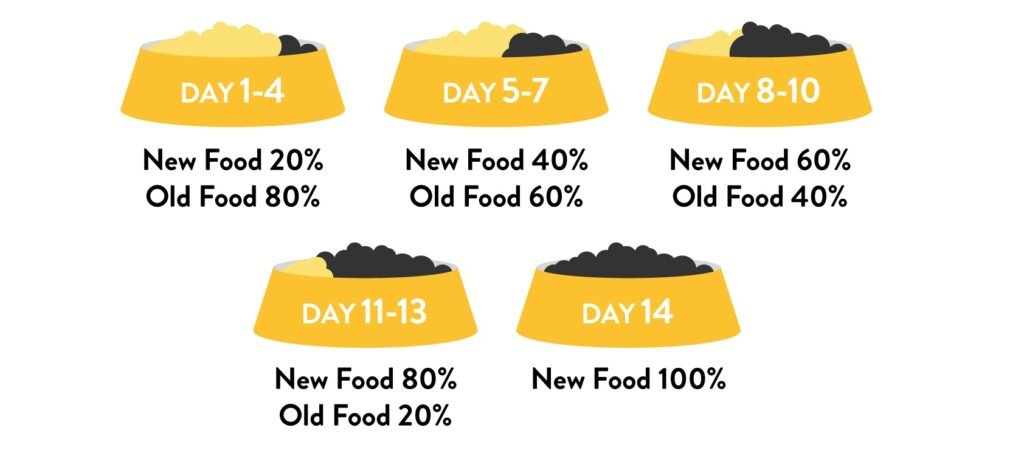
Whether switching between life stages or changing brands, dietary transitions should be gradual to prevent digestive upset. The recommended transition schedule spans 7-10 days:
- Days 1-2: 75% old food, 25% new food
- Days 3-4: 50% old food, 50% new food
- Days 5-6: 25% old food, 75% new food
- Days 7+: 100% new food
Monitor your cat closely during transitions, watching for signs of digestive upset, changes in appetite, or unusual behavior.
Reading Cat Food Labels: Becoming an Informed Consumer
Understanding pet food labels empowers you to make informed decisions. The guaranteed analysis provides minimum percentages for crude protein and fat, and maximum percentages for crude fiber and moisture. However, these figures don’t tell the complete story about nutritional quality.
Ingredient Lists: Listed in descending order by weight, ingredient lists reveal the primary components of the food. Look for specific meat sources rather than generic terms like “meat meal” or “poultry by-products.”
Feeding Guidelines: These provide starting points for portion sizes but should be adjusted based on your cat’s individual needs, activity level, and body condition.
The Role of Treats and Supplements
Treats should comprise no more than 10% of your cat’s daily caloric intake. Many commercial cat treats in Lahore are high in calories and low in nutrition, potentially contributing to obesity if overused.
Regarding supplements, most cats eating complete and balanced commercial diets don’t require additional supplementation. However, certain situations may warrant supplements:
- Omega-3 fatty acids for coat health and inflammation
- Probiotics for digestive health
- Joint supplements for senior cats
- Specific vitamins or minerals as recommended by your veterinarian
Common Nutritional Myths and Misconceptions
Myth: “Cats need milk” Reality: Most adult cats are lactose intolerant and don’t require milk in their diet.
Myth: “More protein is always better” Reality: While cats need high-quality protein, excessive amounts can strain the kidneys, particularly in senior cats.
Myth: “Grain-free diets are automatically healthier” Reality: Unless your cat has specific grain allergies, grains can be part of a healthy diet when used appropriately.
Myth: “Raw diets are more natural and healthier” Reality: Raw diets carry significant food safety risks and require careful nutritional balancing to avoid deficiencies.
Working with Your Veterinarian
Regular veterinary consultations are essential for optimal feline nutrition. Your veterinarian can provide personalized recommendations based on your cat’s health status, lifestyle, and specific needs. In Lahore, many veterinary practices now offer nutritional counseling services, helping cat parents navigate the complexities of feline nutrition.
During wellness visits, discuss:
- Your cat’s current diet and feeding routine
- Any changes in appetite, weight, or eating behavior
- Age-appropriate nutritional adjustments
- Specific health concerns that might require dietary modifications
Conclusion: Your Next Steps Toward Optimal Feline Nutrition
Proper nutrition forms the cornerstone of feline health throughout all life stages. By understanding your cat’s unique nutritional requirements and making informed decisions about their diet, you’re investing in their long-term health and quality of life.
Your Action Plan:
- Assess your current situation: Evaluate your cat’s current diet, body condition, and any health concerns with your veterinarian
- Research options: Explore the best dry cat food options available in Lahore, considering your cat’s life stage, health status, and your budget.
- Make gradual changes: If dietary changes are needed, implement them slowly to avoid digestive upset.
- Monitor and adjust: Keep track of your cat’s response to dietary changes and be prepared to make adjustments as needed.
- Maintain regular veterinary care: Schedule routine check-ups to ensure your cat’s nutritional needs are being met throughout their life.
At Paws and Pals, we understand that every cat is unique, and their nutritional needs deserve individual attention. Whether you’re caring for a playful kitten, an active adult, or a distinguished senior, the right nutrition and dry cat food in lahore can make all the difference in their health, happiness, and longevity.
Remember, the journey of feline nutrition isn’t about finding the perfect food once and forgetting about it. It’s about remaining attentive to your cat’s changing needs and adapting their nutrition accordingly. Your commitment to understanding and meeting these needs will be rewarded with years of companionship with a healthy, vibrant feline friend.
What questions do you have about your cat’s nutrition? Share your experiences and concerns in the comments below, and let’s continue building a community of informed, caring cat parents in Lahore.
