
Dog Rabies Vaccine Schedule: Complete Pet Parent Guide by Paws and Pals
Protecting your furry companion from life-threatening diseases requires understanding proper dog rabies vaccine schedule protocols. At Paws and Pals in Lahore, we recognize that responsible pet ownership begins with comprehensive knowledge about rabies vaccine for dogs. This detailed guide explores everything you need to know about the dog rabies vaccination schedule, ensuring your beloved canine receives timely protection against one of the most dangerous diseases affecting pets worldwide.
Rabies remains a serious concern for dog owners in Lahore and across Pakistan. The virus spreads through saliva, typically via bites from infected animals. Without proper vaccination, rabies proves almost 100% fatal once symptoms appear. Therefore, understanding when to vaccinate dogs for rabies becomes essential for every responsible pet parent. Let’s explore the complete timeline, requirements, and protocols that keep your dog safe.

Understanding Rabies and Why Vaccination Matters
Rabies represents one of the most critical threats to canine health globally. The virus attacks the nervous system, causing severe behavioral changes, aggression, and ultimately death. Once clinical symptoms appear, rabies becomes virtually untreatable in both dogs and humans.
Protecting dogs from rabies through vaccination stands as the most effective prevention method available. The rabies virus prevention in pets depends entirely on established immunity before exposure occurs. This is why veterinarians emphasize timely vaccination rather than waiting for potential exposure incidents.
In Lahore and throughout Pakistan, government rabies vaccination requirements mandate that all dogs receive proper immunization. These regulations exist because rabies poses significant public health risks, affecting not just pets but human populations as well. Understanding your legal obligations ensures compliance while protecting your community.
The Complete Dog Rabies Vaccine Schedule
The puppy rabies vaccine schedule begins surprisingly early in a dog’s life. Most veterinarians recommend starting rabies vaccination protocols at 12 weeks of age, though some regions allow vaccination as early as 8 weeks. This early start ensures puppies develop immunity during their most vulnerable developmental period.
Initial Puppy Vaccination Timeline
Early puppy immunization follows a specific progression. At 12 weeks of age, puppies receive their first rabies shot for dogs. This initial vaccination establishes baseline immunity, though puppies don’t develop full protective immunity immediately. Therefore, a booster vaccination becomes necessary within 12 months of the first dose.
At approximately 16 weeks of age, puppies receive their booster rabies vaccine, reinforcing immune response. This second dose ensures stronger, more durable immunity. By completing these initial vaccinations, puppies develop adequate protection against rabies virus exposure.
The dog vaccination timeline then transitions to maintenance boosters throughout your dog’s life. Understanding this progression prevents gaps in immunity that could leave your pet vulnerable.
Adult Dog Rabies Booster Schedule
After completing the puppy rabies vaccine schedule, adult dogs require ongoing protection through regular boosters. The question how often do dogs need rabies shots has a straightforward answer: most vaccinated dogs need booster shots every 1-3 years, depending on local regulations and vaccine type.
Many states and countries require dog rabies booster vaccine shots every 3 years, making this the most common interval. However, Lahore pet owners should verify specific local requirements, as regulations vary by region. Some areas mandate annual boosters, while others permit the standard 3-year schedule.
Maintaining consistent annual dog vaccines and booster schedules keeps your dog protected throughout their lifetime. Skipping or delaying boosters creates vulnerability windows where your dog lacks adequate immunity against rabies exposure.
Understanding the Rabies Vaccine Age for Puppies
The question rabies vaccine age for puppies relates directly to immune system maturation. Puppies cannot receive effective vaccinations until their immune systems develop sufficiently. This typically occurs around 8-12 weeks of age, which is why most vet-approved vaccination schedule for dogs begins at this timeframe.
Maternal antibodies, passed from nursing mothers to puppies, temporarily protect young dogs from diseases including rabies. However, these antibodies decline as puppies grow, creating a window when maternal protection disappears but the puppy’s own immunity remains incomplete. Proper vaccination timing bridges this critical gap.
Some veterinarians recommend starting vaccination earlier for at-risk puppies, particularly those in shelters or areas with high rabies prevalence. At Paws and Pals, we recommend consulting with your veterinarian about optimal timing based on your specific situation and Lahore’s local disease prevalence.
Complete Vaccination Chart for Dogs
Understanding the broader dog vaccination chart context helps you appreciate rabies vaccination within your dog’s complete health protection plan. Rabies vaccination represents one component of comprehensive canine vaccination protocol, working alongside other essential vaccines.
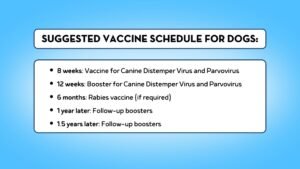
Comprehensive Dog Vaccination Timeline
| Dog Age | Primary Vaccinations | Booster Status | Veterinary Visit |
| 6-8 Weeks | First DHPP Vaccine | Initial Series | Wellness check |
| 9-11 Weeks | Second DHPP Vaccine | Initial Series | Health assessment |
| 12-16 Weeks | First Rabies Vaccine, Third DHPP | Rabies initiated | Complete exam |
| 16-20 Weeks | Final DHPP (optional) | Building immunity | Final puppy check |
| 6 Months | N/A | Monitoring period | General wellness |
| 1 Year | Rabies Booster, DHPP Booster | Complete immunity established | Annual exam |
| Every 3 Years | Rabies Booster, DHPP Booster | Maintained immunity | Regular check-up |
| Senior Years (7+) | Rabies Booster, DHPP Booster | Continued protection | Increased monitoring |
This dog vaccine timeline demonstrates how rabies vaccination integrates into your dog’s complete health maintenance plan. Notice that core vaccines for dogs work together, with rabies representing a critical component alongside DHPP protection.
Core Vaccines vs. Non-Core Vaccines
Understanding core vaccines for dogs helps you make informed decisions with your veterinarian. Core vaccines protect against diseases posing universal threats to all dogs, regardless of location or lifestyle. Rabies vaccination ranks among the most critical core vaccines.
The DHPP vaccine, administered alongside rabies shots, protects against Distemper, Hepatitis, Parvovirus, and Parainfluenza—all serious diseases affecting dogs. Together, these vaccines form the foundation of pet immunization chart protocols recommended by veterinary organizations worldwide.
Non-core vaccines become necessary only for dogs with specific risk factors or lifestyles. Your veterinarian helps determine which additional vaccines your dog needs based on local disease prevalence and your dog’s activities.
How Rabies Vaccines Work in Dogs
The mechanism behind how rabies vaccines work in dogs involves stimulating the immune system to recognize rabies virus antigens. When vaccinated, your dog’s body develops antibodies capable of neutralizing rabies virus before it reaches the central nervous system.
This protective response explains why rabies immunity duration in dogs extends for years. Modern vaccines provide protection lasting 1-3 years or longer, depending on the vaccine type and individual dog factors. This is why maintaining the proper dog rabies booster vaccine schedule ensures continuous protection.
Interestingly, even after vaccination, can dogs get rabies if vaccinated remains a valid question. While extremely rare, breakthrough infections can occur if a dog receives inadequate vaccination or if immunity wanes between boosters. This underscores the importance of maintaining schedule compliance and timely boosters.
Vaccine Side Effects in Dogs
Pet parents often worry about vaccine side effects in dogs. Understanding potential reactions helps you distinguish normal responses from concerning complications requiring veterinary attention.
Common mild side effects include slight lethargy, reduced appetite, or mild swelling at injection sites. These reactions typically resolve within 24-48 hours without intervention. Many dogs show no side effects whatsoever, continuing normal activity immediately after vaccination.
More serious reactions remain rare but require immediate veterinary attention. Signs include facial swelling, difficulty breathing, or signs of anaphylaxis. Discuss any concerning symptoms with your veterinarian, particularly if they persist beyond 48 hours.
Pet wellness and disease prevention require balancing the minimal vaccination risks against the severe consequences of rabies infection. The protective benefits far outweigh potential side effects for virtually all dogs.
Legal Requirements and Responsibilities
In Lahore and throughout Pakistan, government rabies vaccination requirements establish legal obligations for dog owners. These regulations protect public health by reducing rabies transmission risks within communities.
Most municipalities require proof of current rabies vaccination for dog licensing and registration. Violating these requirements can result in fines, legal complications, or loss of pet custody in serious cases. More importantly, neglecting vaccination exposes your community to potentially fatal disease transmission.
Beyond legal compliance, vaccinating your dog represents ethical responsibility toward your community. When all dogs receive proper vaccination, rabies transmission rates decrease dramatically, protecting vulnerable populations including children and unvaccinated animals.
Creating Your Personal Vaccination Schedule
At Paws and Pals, we recommend creating a personalized pet vaccination schedule with your veterinarian. This schedule should account for your dog’s age, health status, local disease prevalence, and regional legal requirements.
Mark vaccination dates on your calendar and set reminders for upcoming boosters. Many veterinary clinics send reminder notices, but proactive tracking prevents accidental delays. Keep vaccination records accessible and secure, as you’ll need proof for licensing, travel, or professional boarding facilities.
If your dog has missed booster vaccinations, consult your veterinarian immediately about restarting the schedule. They’ll determine appropriate protocols based on how long immunity may have lapsed. Don’t assume one late booster invalidates your dog’s protection—discuss options with your vet.
Signs Your Dog Needs Rabies Vaccination
Certain situations indicate your dog requires immediate rabies vaccination or booster. If your dog experienced a potential rabies exposure through animal contact, consult your veterinarian urgently. Post-exposure prophylaxis can prevent infection if administered quickly.
Additionally, if your dog’s vaccination records are unavailable or incomplete, your veterinarian will recommend starting or restarting canine vaccination protocol. When uncertainty exists about vaccination status, erring on the side of protection serves your dog’s best interests.
Before traveling internationally, research destination countries’ rabies requirements. Many nations require proof of current rabies vaccination, and some demand specific vaccines or titer testing. Protecting dogs from rabies extends to preparing for travel scenarios where disease exposure risks may differ from home.
Building Your Dog’s Lifelong Health Plan
Veterinary care for puppies establishes patterns that continue throughout your dog’s life. Starting with comprehensive vaccinations creates a health foundation supporting wellness across your dog’s lifespan.
Work with your veterinarian to establish annual wellness examinations, even for adult dogs. These visits monitor overall health, update vaccinations, and catch potential problems early. For senior dogs, more frequent veterinary visits often become necessary, with some veterinarians recommending semi-annual check-ups for dogs over seven years old.
Pet wellness and disease prevention require ongoing commitment and communication with your veterinary team. This partnership ensures your dog receives appropriate care matching their individual needs throughout every life stage.
Common Questions About Rabies Vaccination
“When should I give my dog a rabies vaccine?” – Begin at 12 weeks of age (or as recommended by your veterinarian), with booster at one year, then every 1-3 years depending on local requirements.
“How often does a dog need a rabies shot?” – Most vaccinated adult dogs need boosters every 3 years, though some areas require annual vaccination. Verify local regulations.
“What’s the rabies vaccine schedule for puppies?” – First dose at 12 weeks, booster at 16 weeks or within 12 months of first dose.
“Is rabies vaccination mandatory for dogs?” – Yes, in most jurisdictions including Lahore. Check local regulations for your specific area.
Conclusion: Your Commitment to Canine Health
The dog rabies vaccination schedule represents a cornerstone of responsible pet ownership in Lahore. By maintaining proper vet-approved vaccination schedule for dogs, you protect your beloved companion while contributing to community disease prevention.
At Paws and Pals, we’re committed to helping Lahore pet parents understand importance of rabies shots and implement effective health protection strategies. Schedule your dog’s vaccination appointment today, and join our community of responsible pet owners prioritizing canine wellness.
Remember, vaccination isn’t just about individual protection—it’s about building stronger, healthier communities where dogs and humans coexist safely. Your commitment to rabies virus prevention in pets makes a difference.
Paws and Pals Lahore: Your trusted partner in pet health and vaccination guidance. For personalized vaccination schedules tailored to your dog’s specific needs, contact your veterinarian or visit us for professional guidance.
