
Can Hypoallergenic Cat Food Improve Your Cat’s Skin and Digestion?
If your cat constantly scratches, experiences digestive upset, or shows signs of discomfort, the culprit might be their food. Many Lahore cat owners struggle with their feline companions suffering from unexplained symptoms that resolve only after dietary changes. At Paws and Pals, we understand that hypoallergenic cat food represents a life-changing solution for cats with sensitivities. This comprehensive guide explores whether hypoallergenic cat food truly improves skin and digestive health, helping you make informed decisions for your beloved pet.
Food allergies and intolerances affect a significant portion of the feline population, yet many owners remain unaware that dietary changes could solve their cat’s chronic problems. Understanding cat food allergy symptoms, identifying triggers, and implementing appropriate solutions through best hypoallergenic cat food options can dramatically improve your cat’s quality of life.
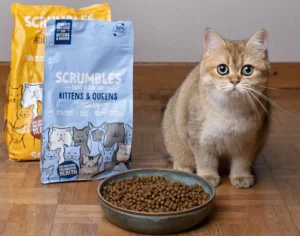
Understanding Cat Food Allergies and Intolerances
Before exploring solutions, it’s essential to understand causes of cat food allergies. Contrary to popular belief, cats don’t typically develop allergies to entire food categories. Instead, they react negatively to specific proteins or ingredients that their digestive systems struggle to process properly.
Food intolerance in cats differs from true allergies but produces similar uncomfortable symptoms. While allergies involve immune system responses, food intolerance in cats occurs when the digestive system cannot properly metabolize certain ingredients. Both conditions warrant dietary intervention through hypoallergenic diets for pets.
The most common culprits triggering food intolerance in cats include beef, dairy, fish, and grains like wheat and corn. However, any ingredient can potentially cause problems in susceptible cats. This is why identifying your specific cat’s triggers becomes crucial before selecting appropriate hypoallergenic cat food alternatives.
Recognizing Cat Food Allergy Symptoms
Identifying cat food allergy symptoms helps you determine whether dietary changes might benefit your pet. These symptoms often develop gradually, making connections between food and health issues difficult for pet owners to recognize.
Physical symptoms manifest in various ways. Excessive scratching, particularly around the face, ears, and paws, represents one of the most common indicators. You might notice your cat developing hair loss patches, inflamed skin, or persistent ear infections. Cat food allergy symptoms often include these dermatological manifestations before digestive issues appear.
Digestive symptoms accompany skin problems in many cases. Chronic diarrhea, constipation, vomiting, or general gastrointestinal discomfort suggests food intolerance in cats. Some cats display behavioral changes, including increased irritability or decreased appetite. Additionally, chronic bad breath or excessive ear wax buildup can indicate underlying food sensitivity issues.
The challenge lies in distinguishing food intolerance in cats from other conditions causing similar symptoms. Parasites, bacterial infections, and environmental allergies can produce identical presentations. Consulting your veterinarian helps narrow down whether hypoallergenic cat food represents an appropriate intervention for your specific situation.

How Hypoallergenic Cat Food Works
Hypoallergenic formulas for cats with skin irritation function by eliminating common trigger ingredients while providing complete, balanced nutrition. These specialized diets reduce the likelihood of triggering immune or digestive system responses in sensitive cats.
The mechanism involves several strategic approaches. First, best hypoallergenic cat food options minimize ingredient variety, employing limited ingredient cat food formulations containing only essential components. Fewer ingredients mean fewer opportunities for your cat to encounter problematic substances triggering reactions.
Second, these diets often feature novel protein sources safe for allergic cats that cats rarely encounter in conventional foods. Exotic proteins like venison, rabbit, or duck provide necessary amino acids without triggering sensitivities associated with common proteins like beef or chicken.
Third, hypoallergenic cat food frequently eliminates common cat food without common allergens by removing wheat, corn, soy, and dairy products. Many formulations opt for grain-free cat food for sensitive cats approaches, though recent research suggests grains aren’t inherently problematic for all allergic cats.
Fourth, some premium veterinary hypoallergenic cat food options employ hydrolyzed protein cat food technology. This process breaks proteins into smaller molecules that digestive systems more easily process, reducing allergic responses. Hydrolyzed protein cat food represents one of the most effective interventions for severe sensitivities.
Benefits of Switching to Hypoallergenic Cat Food
The question benefits of switching to hypoallergenic cat food yields significant positive answers for affected cats. Dramatic improvements often occur within weeks of transitioning to appropriate hypoallergenic cat food formulations.
Skin health improvements represent the most noticeable changes. Cats stop excessive scratching, hair begins regrowing in previously bare patches, and skin inflammation subsides. Many owners report their cats displaying renewed energy and comfort levels they hadn’t exhibited in years.
Digestive improvements follow similarly impressive trajectories. Cats experience regular bowel movements, vomiting ceases, and overall gastrointestinal comfort improves noticeably. Additionally, feline digestive health improvements often manifest as increased appetite and better body condition maintenance.
Behavioral changes accompany these physical improvements. Cats become more playful, affectionate, and content once discomfort resolves. The relief from chronic symptoms allows cats to enjoy life more fully, significantly impacting their overall quality of life and your satisfaction as a pet parent.
Identifying Your Cat’s Food Allergens
Understanding how to identify food allergens in cats requires systematic observation and veterinary guidance. Your veterinarian might recommend elimination diets, where you remove suspected ingredients for 8-12 weeks, monitoring symptom changes.
Carefully observe your cat’s response during elimination phases. Document skin condition, digestive patterns, and behavioral changes. If symptoms improve significantly, you’ve likely identified problematic ingredients. Gradually reintroducing suspect ingredients confirms which specific components trigger reactions.
This methodical approach prevents unnecessary dietary restrictions while pinpointing precise causes of cat food allergies affecting your individual cat. Every cat’s sensitivities differ, making personalized identification essential rather than assuming standard allergens affect your pet.
Comparing Hypoallergenic Cat Food Options
Comprehensive Hypoallergenic Cat Food Comparison
| Food Type | Best For | Key Features | Protein Sources |
| Limited Ingredient Cat Food | Mild-moderate allergies | Simplified formulas, fewer components | Novel proteins like venison |
| Grain-Free Cat Food for Sensitive Cats | Grain-sensitive cats | No wheat, corn, or soy | Meat-based proteins |
| Hydrolyzed Protein Cat Food | Severe allergies | Broken-down proteins, highly digestible | Pre-digested protein molecules |
| Natural Hypoallergenic Cat Food | Mild sensitivities | Minimal processing, no artificial additives | Fresh, whole food sources |
| Veterinary Hypoallergenic Cat Food | Complex cases | Prescription formulations, vet-monitored | Prescription-grade ingredients |
| Hypoallergenic Wet Cat Food | Digestive issues | Higher moisture content, easier digestion | Premium wet protein sources |
Each category offers distinct advantages depending on your cat’s specific needs and sensitivity severity. Vet-recommended cat food for allergies typically represents the gold standard for severe cases, though best hypoallergenic cat food selections vary individually.
The Role of Specific Ingredients
Understanding allergy-friendly cat nutrition requires knowledge about specific ingredients that commonly trigger problems versus safer alternatives. Traditional cat foods frequently contain chicken, beef, wheat, corn, and fish—all potential allergens for sensitive cats.
Cat food without common allergens instead features ingredients like duck, rabbit, venison, or other novel proteins rarely encountered in standard diets. Carbohydrate sources shift from grains to alternatives like sweet potatoes or peas, though recent research questions whether grain-free cat food for sensitive cats provides advantages over carefully selected grain-containing foods.
Protein sources safe for allergic cats extend beyond traditional options. Limited ingredient formulations focus on single, novel proteins rather than multiple protein sources that increase triggering risk. Additionally, digestibility becomes paramount, with premium formulations designed for maximum nutritional absorption and minimal digestive strain.
Transitioning Cats to a Hypoallergenic Diet
Transitioning cats to a hypoallergenic diet requires patience and gradual implementation. Abrupt dietary changes often cause digestive upset, defeating the purpose of dietary intervention. Instead, implement a gradual transition over 7-10 days.
During transition, gradually increase new food proportions while decreasing previous food amounts. Day one through three maintain 75% old food with 25% new food. Days four through six shift to 50/50 proportions. Days seven through ten transition to 25% old food and 75% new food. Finally, complete the transition to 100% new food.
Monitor your cat closely during this transition period. Some digestive looseness might occur temporarily as digestive systems adjust to new formulations. However, if severe vomiting or diarrhea develops, slow the transition further or consult your veterinarian.
Hypoallergenic Wet and Dry Food Options
The choice between hypoallergenic wet cat food and dry formulations depends on your cat’s specific needs and preferences. Hypoallergenic wet cat food typically offers advantages for digestive sensitivities due to higher moisture content and easier digestibility. Wet food’s moisture helps support kidney function and overall hydration, additional benefits for sensitive cats.
Dry hypoallergenic cat food options prove convenient and cost-effective while maintaining similar hypoallergenic benefits. Many cats prefer dry food’s texture and taste, making compliance easier. Some pet parents combine both, offering hypoallergenic wet cat food as primary nutrition while incorporating limited dry food portions.
Discuss optimal wet-to-dry ratios with your veterinarian based on your cat’s individual digestive capabilities and overall health status. Some cats thrive on exclusively wet formulations, while others do well with combinations.
Managing Chronic Itching Through Diet
Managing chronic itching in cats through dietary intervention yields impressive results for allergically-sensitive felines. When food allergens trigger constant scratching, removing those triggers through hypoallergenic cat food often provides complete relief.
The timeline for improvement varies, typically spanning 4-12 weeks before maximum benefits manifest. Skin must naturally repair itself after allergen removal, requiring time for inflammation to subside and hair regrowth to occur. Patience during this period remains essential, though most owners observe meaningful improvements within 6-8 weeks.
For cats with secondary bacterial or yeast infections resulting from scratching damage, your veterinarian might recommend temporary additional treatments alongside dietary changes. However, addressing the underlying food sensitivity prevents future problems once allergens are eliminated.
Non-Allergenic Cat Treats
Often overlooked, non-allergenic cat treats represent an important dietary component requiring careful selection. A single conventional treat containing problematic ingredients can undo benefits from otherwise appropriate hypoallergenic cat food feeding.
When selecting treats, apply the same ingredient scrutiny used for selecting primary food. Choose treats matching your hypoallergenic cat food formulation philosophy, avoiding common allergens. Many premium pet food manufacturers produce treat lines complementing their hypoallergenic offerings, simplifying selection.
Alternatively, offer safe non-allergenic cat treats options like small portions of appropriate proteins or treats specifically formulated for sensitive cats. Your veterinarian can recommend specific treat options compatible with your cat’s dietary restrictions.
Veterinary Guidance and Professional Support
Vet-recommended cat food for allergies represents your best approach when severe sensitivities exist. Veterinarians possess expertise in distinguishing food allergies from other conditions and can recommend prescription formulations unavailable through retail channels.
Pet nutrition advice from veterinarians ensures appropriate nutritional balance while addressing sensitivities. Some conditions require elimination diets monitored closely through veterinary oversight. Your veterinarian might recommend specific hypoallergenic cat food brands, perform allergy testing, or suggest diagnostic procedures ruling out non-dietary causes.
Additionally, veterinarians monitor your cat’s response to dietary changes, adjusting recommendations if improvements don’t materialize as expected. This professional oversight prevents nutritional deficiencies and ensures your cat receives optimal care throughout dietary management.
Healthy Cat Food Alternatives and Supplements
Beyond primary hypoallergenic cat food selections, certain healthy cat food alternatives and supplements support feline digestive health. Omega-3 fatty acids reduce inflammation and support skin health. Probiotics promote beneficial digestive bacteria, improving overall digestive function.
Your veterinarian might recommend specific cat nutrition and wellness supplements complementing dietary changes. However, avoid introducing multiple new elements simultaneously, as this complicates determining which interventions produce benefits. Implement one change at a time, monitoring results before introducing additional supplements.
Natural approaches including natural hypoallergenic cat food supplementation with moisture-rich foods, gradual dietary transitions, and stress reduction support overall wellness alongside hypoallergenic feeding. These holistic approaches maximize benefits from dietary intervention.
Taking the Next Steps for Your Cat
If your cat shows cat food allergy symptoms, consider consulting your veterinarian about hypoallergenic cat food options. A professional diagnosis ensures you address the actual problem rather than making unnecessary dietary changes.
Work collaboratively with your veterinarian to identify suspected allergens through systematic elimination processes. Once triggers are identified, transition gradually to appropriate best hypoallergenic cat food formulations matching your cat’s specific needs.
Monitor improvements carefully, maintaining detailed records of symptom changes, eating patterns, and overall health indicators. Most cats demonstrate remarkable improvements once problematic foods are eliminated, allowing them to experience comfort and vitality previously diminished by chronic sensitivities.
Conclusion: Transforming Your Cat’s Health
The answer to whether hypoallergenic cat food improves skin and digestion is definitively yes—but specifically for cats with food sensitivities. For affected felines, switching to appropriate hypoallergenic cat food often represents one of the most impactful health interventions possible.
At Paws and Pals in Lahore, we’ve witnessed countless cats transform through dietary management. From eliminating chronic scratching to resolving digestive issues, proper vet-recommended cat food for allergies changes lives. If your cat struggles with unexplained symptoms, dietary intervention through hypoallergenic cat food deserves serious consideration.
Your cat’s comfort, health, and happiness depend partly on nutritional choices you make daily. By understanding causes of cat food allergies, recognizing cat food allergy symptoms, and implementing evidence-based hypoallergenic cat food solutions, you provide your beloved companion with the gift of improved wellbeing.
Contact Paws and Pals or consult your veterinarian today to explore whether hypoallergenic cat food might transform your cat’s health and quality of life.
FAQs
What is the best hypoallergenic cat food?
The best option depends on your cat’s specific allergens. Work with your veterinarian to identify triggers, then select formulations eliminating those ingredients. Prescription formulations often represent optimal choices for severe cases.
How do I know if my cat has a food allergy?
Common signs include excessive scratching, hair loss, ear infections, chronic diarrhea, vomiting, and digestive discomfort. Veterinary evaluation helps confirm food sensitivity versus other conditions.
Can hypoallergenic cat food stop itching?
Yes, when food allergies cause itching, removing triggering ingredients typically eliminates scratching completely. However, other conditions also cause itching, requiring proper diagnosis.
Is grain-free cat food good for allergies?
Grain-free formulations help grain-sensitive cats, but grains don’t universally trigger allergies. Some cats benefit from grain-free options while others thrive on grain-containing foods. Individual assessment matters most.
Which ingredients cause cat food allergies?
Common allergens include beef, chicken, fish, dairy, wheat, corn, and soy. However, any ingredient can potentially cause problems in susceptible cats.
