
Can We Feed Milk to Cats? | Expert Advice from Paws and Pals
Every cat lover in Lahore has witnessed that adorable moment when their feline friend reaches for a saucer of milk. We’ve all seen it in movies and cartoons, creating the perfect image of a happy cat. However, the reality proves quite different from popular belief. At Paws and Pals, we believe that providing accurate pet health and nutrition guide information helps you make better decisions for your beloved companions. This comprehensive guide addresses the question: Can cats drink milk? We’ll explore the science, risks, and healthier alternatives that every Lahore pet owner should know.
The Truth About Milk and Cats
Most cat owners assume that can we feed milk to cats is a harmless question with an obvious yes. Surprisingly, the answer requires nuance. While is milk safe for cats remains a common inquiry, veterinary experts increasingly recommend caution. Here’s why: most adult cats develop lactose intolerance in cats as they mature. This means their bodies cannot efficiently process lactose, the natural sugar found in milk.
Therefore, understanding whether should cats drink milk matters significantly for their wellbeing. Kittens naturally produce an enzyme called lactase, which breaks down lactose. However, as cats grow older, they produce less of this enzyme. This natural change in feline digestive system function means that regular milk consumption becomes problematic for most adult cats.
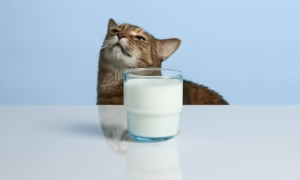
Understanding Lactose Intolerance in Cats
Lactose-free cat milk alternatives exist precisely because of this issue. The condition develops gradually, affecting how digestive problems in cats manifest. When cats consume regular milk despite their intolerance, the undigested lactose passes through their digestive system, causing discomfort and other symptoms.
Research shows that approximately 70-90% of adult cats experience some degree of lactose intolerance in cats. This staggering percentage explains why so many pet owners report issues after giving their cats milk. The severity varies from cat to cat, with some showing mild symptoms while others experience severe reactions.
Common Signs Your Cat May Be Lactose Intolerant
When cats consume dairy products they cannot properly digest, several symptoms of milk intolerance in cats emerge. These include diarrhea, vomiting, stomach cramps, and general digestive discomfort. Additionally, you might notice excessive gas, bloating, or loss of appetite following milk consumption.
If you observe these digestive problems in cats after offering milk, your cat likely suffers from lactose intolerance. The solution involves switching to alternatives that won’t trigger these uncomfortable reactions.
Can Kittens Have Regular Milk?
The question of milk for kittens vs adult cats deserves special attention. Young kittens do produce adequate lactase levels, making regular milk theoretically digestible. However, this doesn’t mean you should regularly offer it.
Kittens thrive best on their mother’s milk or specially formulated kitten formula. Once weaned, kittens don’t require any milk for proper cat nutrition tips. Additionally, regular cow’s milk offers no nutritional advantage over quality kitten food. Most veterinarians recommend avoiding milk altogether, even for young cats, to prevent developing poor dietary habits.
Introducing kittens to alternatives from the start establishes better long-term healthy hydration habits for cats. This approach prevents them from developing expectations about milk while ensuring proper nutritional intake through complete cat food formulations.
What Kind of Milk Can Cats Drink?
If you’re wondering what kind of milk can cats drink, the answer becomes more encouraging. Several options exist for cat owners who want to offer milk-based treats occasionally.
Milk Options for Cats
| Milk Type | Safety Level | Best For | Notes |
| Cow’s Milk (Regular) | ❌ Not Recommended | None | Contains lactose; causes digestive issues |
| Lactose-Free Cat Milk | ✅ Safe | All cats | Specially formulated; better digestion |
| Goat’s Milk | ✅ Generally Safe | Most cats | Lower lactose content; easier to digest |
| Almond Milk (Unsweetened) | ⚠️ Occasional Only | Rare treats | No lactose but limited nutrition |
| Coconut Milk | ⚠️ Occasional Only | Rare treats | High fat content; use sparingly |
| Plant-Based Alternatives | ✅ Safe | All cats | No dairy; gentle on stomach |
Lactose-free cat milk represents the best choice among conventional options. Brands specifically formulate these products for cat digestive sensitivity, removing lactose while maintaining nutritional benefits. Alternatively, goat’s milk for cats offers a naturally lower lactose option that many cats tolerate better than cow’s milk.
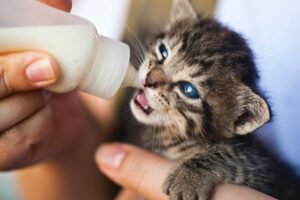
Best Alternatives to Milk for Cats
The question of best alternative to milk for cats leads us to several excellent options. Rather than struggling with traditional milk, consider these cat-friendly milk alternatives:
Fresh Water remains the superior hydration source for all cats. It provides necessary hydration without any digestive complications. Ensure fresh, clean water remains available throughout your Lahore home.
Bone Broth (unsalted, no onion or garlic) provides a nutritious treat that cats generally enjoy. The gelatin supports joint health while offering gentle nutrition during meals or as occasional treats.
Specially Formulated Cat Milk products include nutrients designed specifically for feline needs. These versions remove lactose while maintaining calcium and other beneficial minerals important for nutritional needs of cats.
Wet Cat Food contributes to overall hydration. Many cats consume insufficient water naturally, and moisture-rich food supports proper cat hydration and diet.
Veterinary Advice on Cat Diet
Consulting veterinary advice on cat diet ensures your pet thrives on optimal nutrition. Most veterinarians recommend that water serve as your cat’s primary liquid. They suggest avoiding milk altogether, even lactose-free varieties, unless recommended for specific medical reasons.
For cats showing particular cat digestive sensitivity, your veterinarian might suggest elimination diets or specialized foods. Regular check-ups help identify dietary issues before they develop into serious problems.
Balanced Diet Essentials for Cats
| Nutritional Component | Daily Requirement | Primary Source | Importance |
| Protein | 10-12g per day | Meat-based cat food | Muscle development and maintenance |
| Taurine | Essential amino acid | Quality cat food | Eye and heart health |
| Vitamin A | As specified by food | Complete cat diet | Vision and immune function |
| Water | Varies by individual | Fresh water, wet food | Kidney health and hydration |
| Fat | Moderate amounts | Balanced cat food | Energy and coat health |
Common Cat Feeding Mistakes to Avoid
Understanding common cat feeding mistakes helps you provide better care. Many pet owners in Lahore make well-intentioned errors that compromise their cat’s health.
First, never assume that human food safety means feline safety. Cats have different nutritional needs and sensitivities than humans. Second, avoid offering milk as a reward or treat without considering your cat’s lactose intolerance in cats status. Third, don’t supplement commercial cat food excessively with homemade additions unless directed by your veterinarian.
Additionally, offering too many treats disrupts proper nutrition. Treats should never exceed 10% of daily caloric intake, ensuring your cat receives balanced nutrition from their primary food.
Caring for Lactose-Intolerant Cats
Managing how to care for lactose-intolerant cats involves proactive dietary choices. At Paws and Pals, we recommend reading all food labels carefully, avoiding products containing milk or milk derivatives unless specifically formulated as lactose-free.
Monitor your cat’s response to any dietary changes over several weeks. Some cats show immediate reactions while others experience delayed responses. Keep a food diary noting any digestive changes, helping you identify problematic foods quickly.
Final Recommendations from Paws and Pals
The answer to can cats drink milk is nuanced but clear: most adult cats shouldn’t consume regular cow’s milk due to lactose intolerance. However, specially formulated lactose-free cat milk occasionally and in small amounts remains acceptable for some cats.
Your Lahore-based Paws and Pals team strongly recommends making fresh water your cat’s primary drink. Offer complete, balanced cat nutrition tips through quality commercial food designed specifically for feline needs. When questions arise about your cat’s diet, consult your veterinarian.
Remember, every cat has unique needs and tolerances. What works for one feline companion may not work for another. By understanding these facts about milk and cat nutrition, you’re taking important steps toward providing the best possible care for your beloved pet.
At Paws and Pals, we’re committed to helping Lahore pet owners make informed decisions about their cats’ health and nutrition. For personalized advice about your specific cat’s dietary needs, always consult with a qualified veterinarian.
