
Best Wet or Dry Dog Food: Which is Better for Your Pet?
As a loving pet parent in Lahore, Pakistan, choosing between wet or dry dog food represents one of the most important decisions you’ll make for your furry companion’s health and wellbeing. This comprehensive guide explores the pros and cons of wet and dry dog food, helping you make an informed choice that supports your dog’s optimal nutrition and happiness.
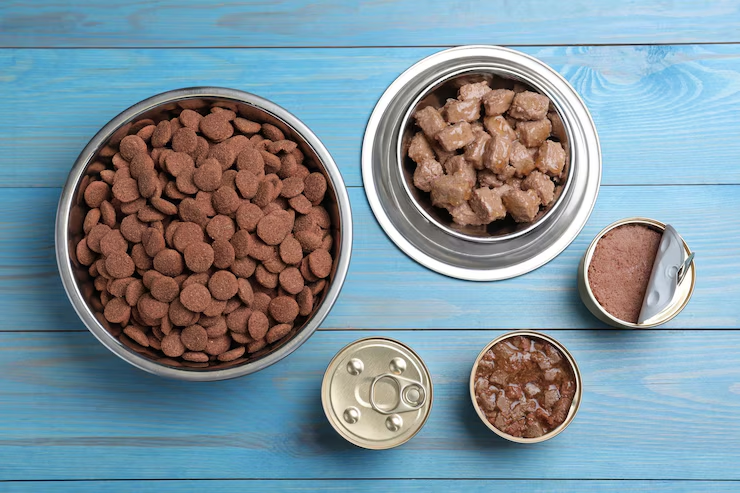
Understanding the Fundamentals: Wet vs Dry Dog Food
The debate between wet or dry dog food isn’t just about preference—it’s about understanding your dog’s unique nutritional needs. Both options offer distinct advantages that can significantly impact your pet’s health, from dog dental health and dry food benefits to the superior moisture content in dog food found in wet varieties.
Canine nutrition experts emphasize that the choice between these feeding options should align with your dog’s age, health status, and individual preferences. Let’s explore what makes each option unique and effective.
The Science Behind Wet Dog Food Benefits
Enhanced Hydration and Moisture Content
Wet dog food provides exceptional hydration benefits, containing approximately 75-85% moisture compared to dry food’s 10-12%. This high moisture content in dog food proves particularly beneficial for dogs who don’t drink adequate water naturally, supporting kidney function and overall health.
Superior Palatability for Picky Eaters
When dealing with wet dog food for picky eaters, the enhanced aroma and texture of canned food often succeeds where dry alternatives fail. The rich flavors and appealing textures make wet food an excellent choice for dogs with decreased appetite or those recovering from illness.
Nutritional Advantages
Research shows that wet food typically contains fewer carbohydrates and higher protein levels per serving. The gentle processing methods preserve more natural nutrients, making it easier for dogs with sensitive stomachs to digest effectively.
The Power of Dry Dog Food: Convenience Meets Nutrition
Dental Health Benefits
Dry dog food for large breeds and smaller dogs alike offers mechanical cleaning action that helps reduce tartar buildup. The crunching action provides natural dental exercise, though it shouldn’t replace regular dental care routines.
Cost-Effectiveness and Storage
From a cost comparison wet vs dry dog food perspective, dry food typically offers better value per serving. Its extended shelf life and convenient storage make it practical for busy pet parents, especially those managing multiple pets.
Nutritional Completeness
Modern high-protein dog food options in dry form provide complete and balanced nutrition. Quality brands ensure that essential nutrients remain stable and bioavailable throughout the product’s shelf life.
Expert Insights: Vet Recommended Options
Professional Feeding Guidelines
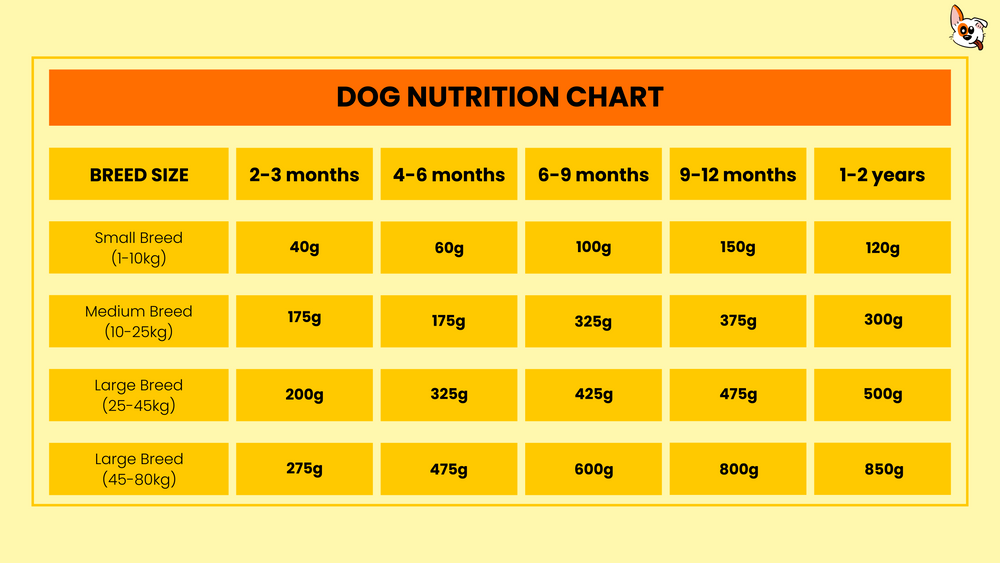
Following proper feeding guidelines for dogs ensures optimal nutrition regardless of your choice between wet or dry dog food. Veterinary professionals emphasize portion control and consistency in feeding schedules as fundamental aspects of successful canine nutrition.
Age-specific requirements play a crucial role in determining appropriate portion sizes, while existing health conditions may require specialized dietary approaches. Weight management goals should align with your chosen food type, and your dog’s current dental health status can influence whether wet or dry options better serve their needs.
Mixing Wet and Dry: The Best of Both Worlds
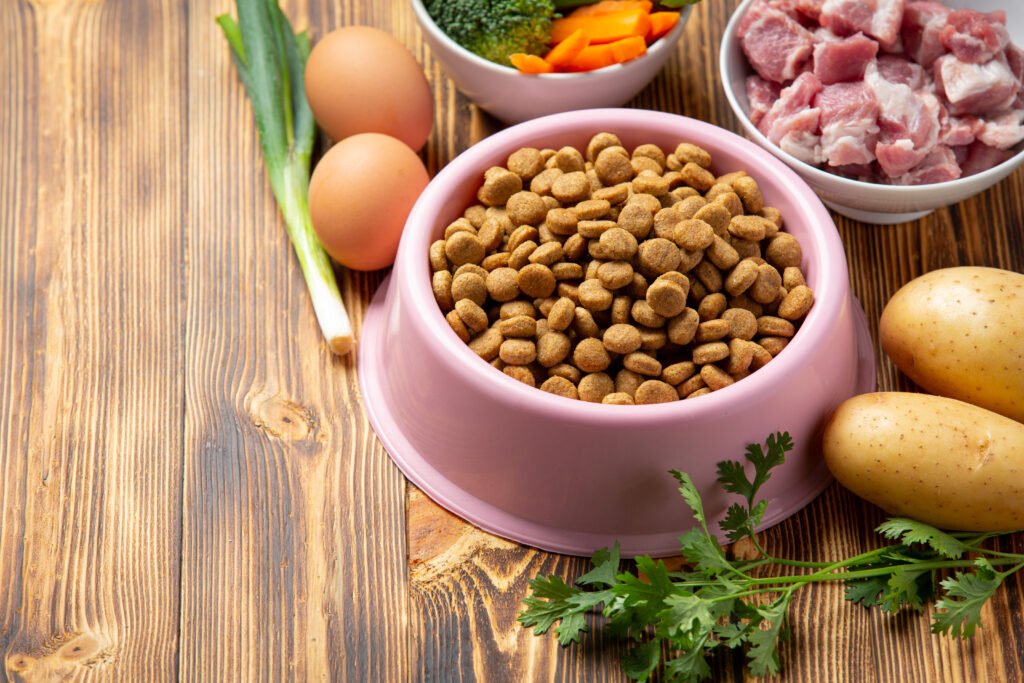
Mixing wet and dry dog food creates a balanced approach that combines the benefits of both options. This strategy addresses hydration needs while maintaining dental health benefits and cost-effectiveness.
Implementation Strategies
When switching from dry to wet dog food or implementing a mixed feeding approach, gradual transition prevents digestive upset. Start with 75% current food and 25% new food, adjusting ratios over 7-10 days.
Addressing Common Concerns: Health and Nutrition
Weight Management Considerations
Both wet or dry dog food options can support healthy weight management when properly portioned. Wet food’s higher moisture content can help dogs feel satisfied with fewer calories, while dry food’s convenience supports consistent feeding schedules.
Dog Food Digestibility Factors
Dog food digestibility varies between wet and dry options based on processing methods and ingredient quality. High-quality options in both categories provide excellent digestibility for most dogs.
Making the Right Choice for Your Pakistani Pet
Living in Lahore’s climate adds unique considerations to the wet or dry dog food decision. The region’s warm temperatures make hydration particularly important, potentially favoring wet food options or ensuring adequate water intake with dry food.
Local Availability and Considerations
Consider local availability of quality options when making your wet or dry dog food choice. Reliable supply chains ensure consistent nutrition for your pet’s long-term health.
Quality Indicators: What to Look For
Best Wet Dog Food vs Dry Selection Criteria
When evaluating best wet dog food vs dry options, prioritize complete and balanced nutrition statements that ensure your pet receives all essential nutrients. High-quality protein sources should appear as first ingredients, indicating superior nutritional value and dog food digestibility. Appropriate life-stage formulations address your dog’s specific developmental needs, while reputable manufacturer credentials provide confidence in product quality and safety standards.
Conducting thorough dog food brands comparison based on nutritional analysis helps identify the most suitable options for your pet’s unique requirements.
Healthiest Dog Food Options Characteristics
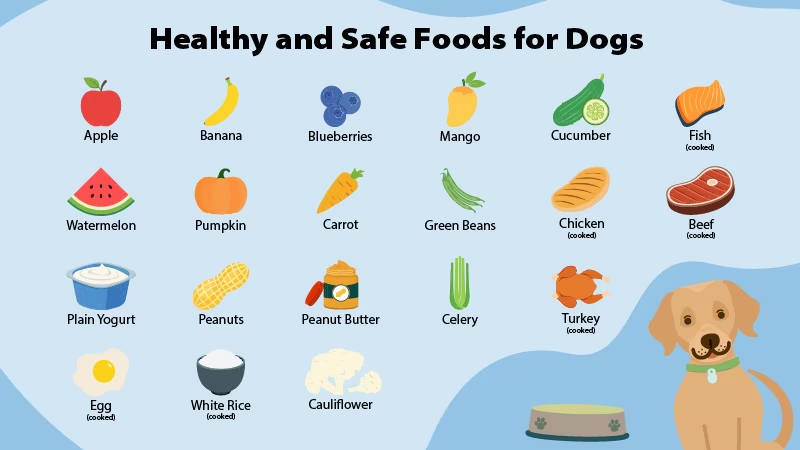
The healthiest dog food options share common features regardless of wet or dry format. Named meat proteins as primary ingredients ensure adequate protein quality for optimal muscle development and maintenance.
Limited unnecessary fillers reduce the risk of digestive issues and provide better nutritional value per serving. Avoiding artificial preservatives and colors supports long-term health and reduces exposure to potentially harmful additives. Most importantly, appropriate nutrient profiles tailored to your dog’s specific life stage and activity level ensure comprehensive nutritional support for overall wellbeing.
Economic Considerations and Practical Implementation
Cost Comparison Wet vs Dry Dog Food Analysis
While initial costs favor dry food, consider long-term value including health benefits, palatability, and waste reduction. Quality wet or dry dog food represents an investment in your pet’s long-term health and quality of life.
Storage and Convenience Factors
Wet or dry dog food storage requirements differ significantly. Plan accordingly based on your living situation, family schedule, and pet care routine preferences.
Frequently Asked Questions
1. Is wet dog food better than dry dog food for my pet’s health?
Is wet dog food better than dry depends on your pet’s individual needs. Wet food provides superior hydration and is often more palatable, making it excellent for wet dog food for picky eaters or dogs with kidney issues. However, dry food offers dental benefits and convenience. The best wet dog food vs dry choice depends on your dog’s age, health status, and preferences.
2. Can I mix wet and dry dog food together safely?
Yes, mixing wet and dry dog food is safe and often beneficial. This approach combines the hydration benefits of wet food with the dental health advantages of dry food. When implementing this strategy, maintain proper portion control and ensure the combined feeding provides complete nutrition according to feeding guidelines for dogs.
3. How do I transition my dog from dry to wet food?
Switching from dry to wet dog food requires a gradual approach over 7-10 days. Start with 75% dry food mixed with 25% wet food, gradually increasing the wet food proportion. This method prevents digestive upset and allows your dog to adjust to the new texture and palatability of dog food.
4. Which is more cost-effective: wet or dry dog food?
In terms of cost comparison wet vs dry dog food, dry food typically offers better value per serving. However, consider the complete picture including health benefits, reduced waste from improved palatability, and potential veterinary cost savings.
Quality wet or dry dog food represents a worthwhile investment in your pet’s health.
5. What do veterinarians recommend for large breed dogs?
For dry dog food for large breeds, veterinarians often recommend formulations specifically designed for larger dogs’ unique nutritional needs. These foods typically feature controlled calcium and phosphorus ratios to support proper bone development.
However, some vets suggest vet recommended wet or dry dog food based on individual health assessments, particularly for dogs with joint issues or weight management needs.
